 WonderLoop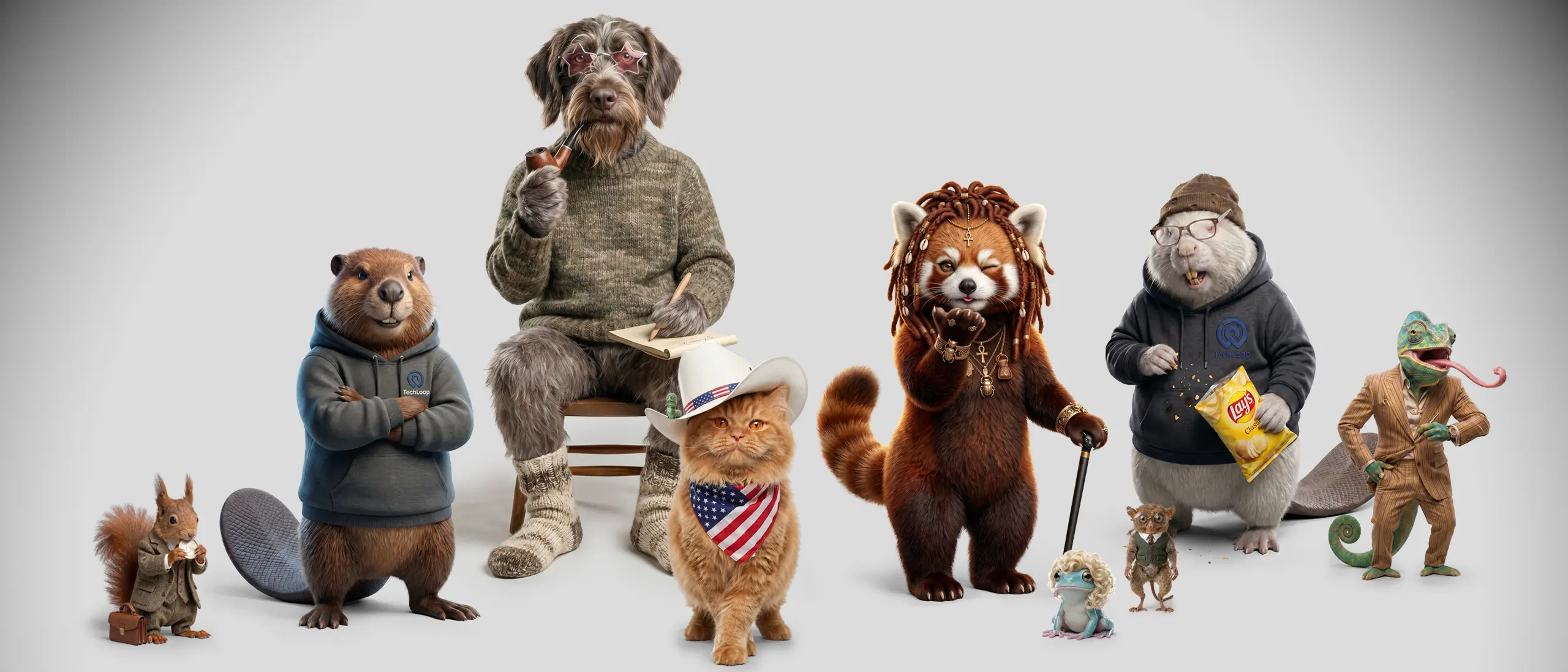
A client often has no idea what goes into a video.
No blame: they make software, or run events, or sell beer. To them, video production is a black box, and black boxes are scary. Scary enough that a lot of people would rather not ask at all. They nod along in the kickoff, agree to a number, and then it goes quiet for three weeks. Not because nothing's happening, but because nobody's keeping them in the loop.
On the agency side it's just as common. A creative producer hires a video maker, often a freelancer who does beautiful work but communicates badly. And that same producer then has to explain to their client where the money goes and why the storyboard takes longer than the edit. They're reselling a process they don't actually control, to someone who's already nervous.
So I built something to fix that. And it turned into one of the more fun projects of the whole year.
Three steps, or forty-six
Work with me, and at the start you get a link. To your own production roadmap: a web page that shows every step, from the first idea to the file you download. In order. With a short clip on each step explaining what happens there.
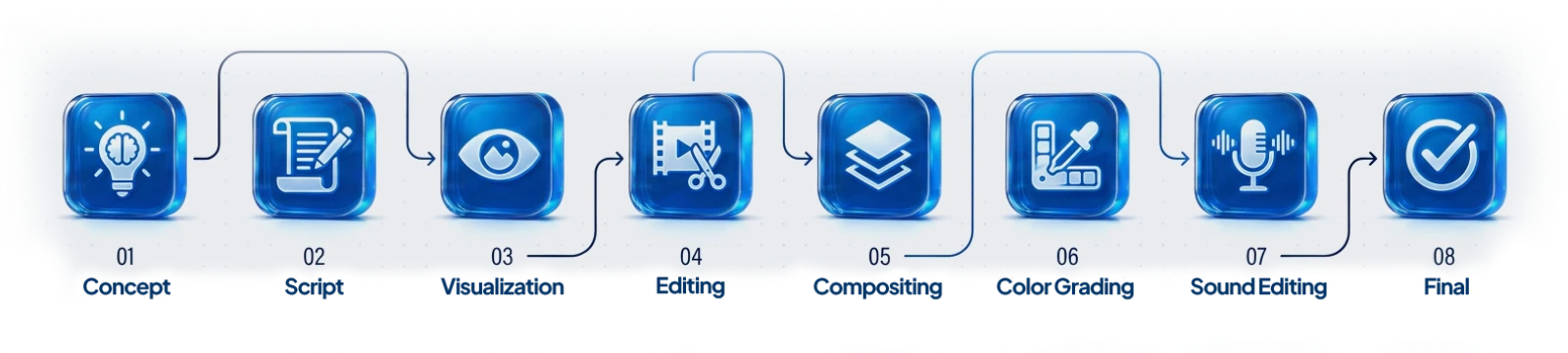
One production has three steps, the next has forty-six. No two are the same, so no two roadmaps are the same. What's a storyboard, and why does it come before the animation? There's forty seconds of explanation on it. What happens in compositing? Another clip. And the moment I finish a step, the page updates itself. You always see exactly where we are. No more "any update yet?" emails. No silence. Look whenever you want.
It does something small but underrated: it takes away the fear of not knowing. The process stops being a black box. It becomes a hallway with the lights on.
But who keeps all that up to date?
Because let's be honest: a custom roadmap per production, a clip on every step, updating itself the moment something changes. That sounds like a full-time job on its own.
It is. Just not for me. I have my own crew for that.
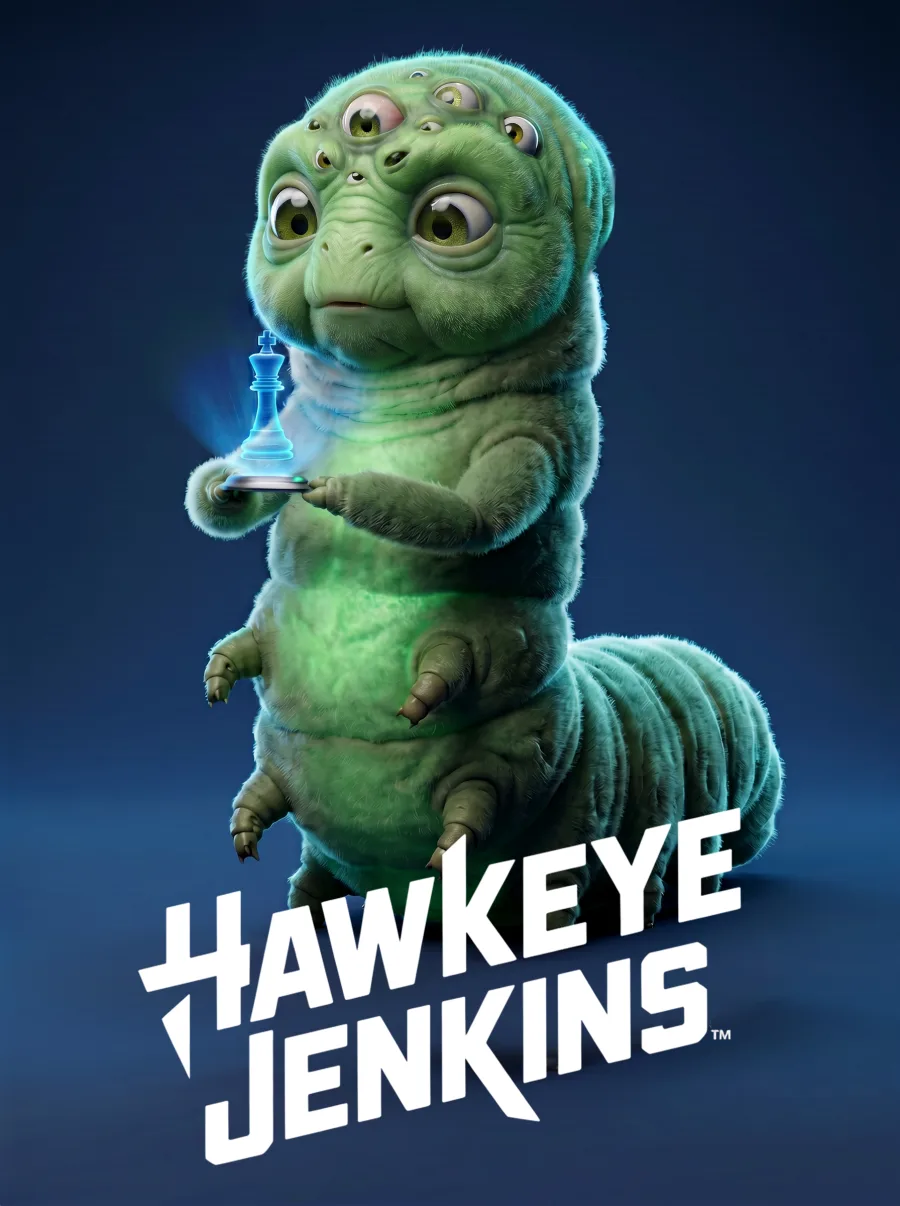
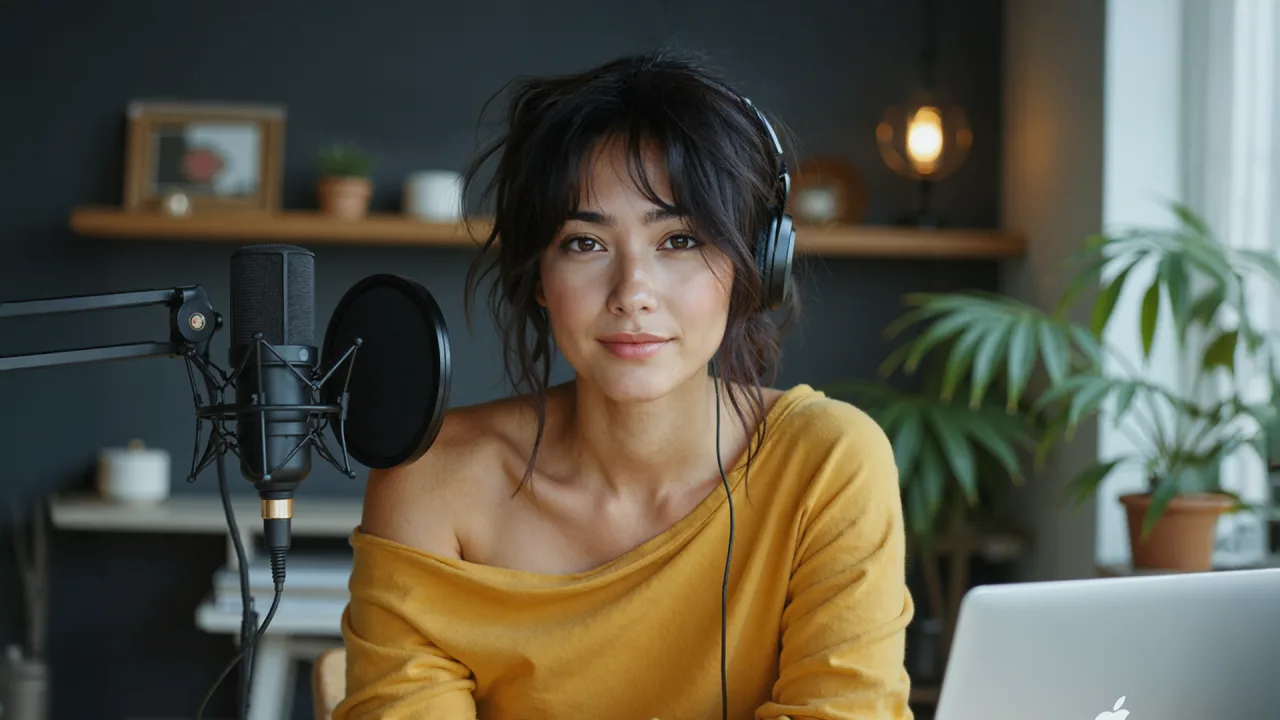
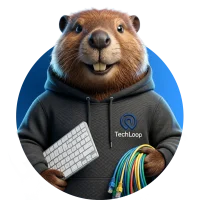
Behind every step sits an AI agent. With a name, a face and a job. JJ Inkwell writes the scripts. Imani Crops directs the art and the motion. Gizmo E. Techings makes sure the files land in the right place. You never see them, except one: Amber, my presenter, is the only one in front of the camera.
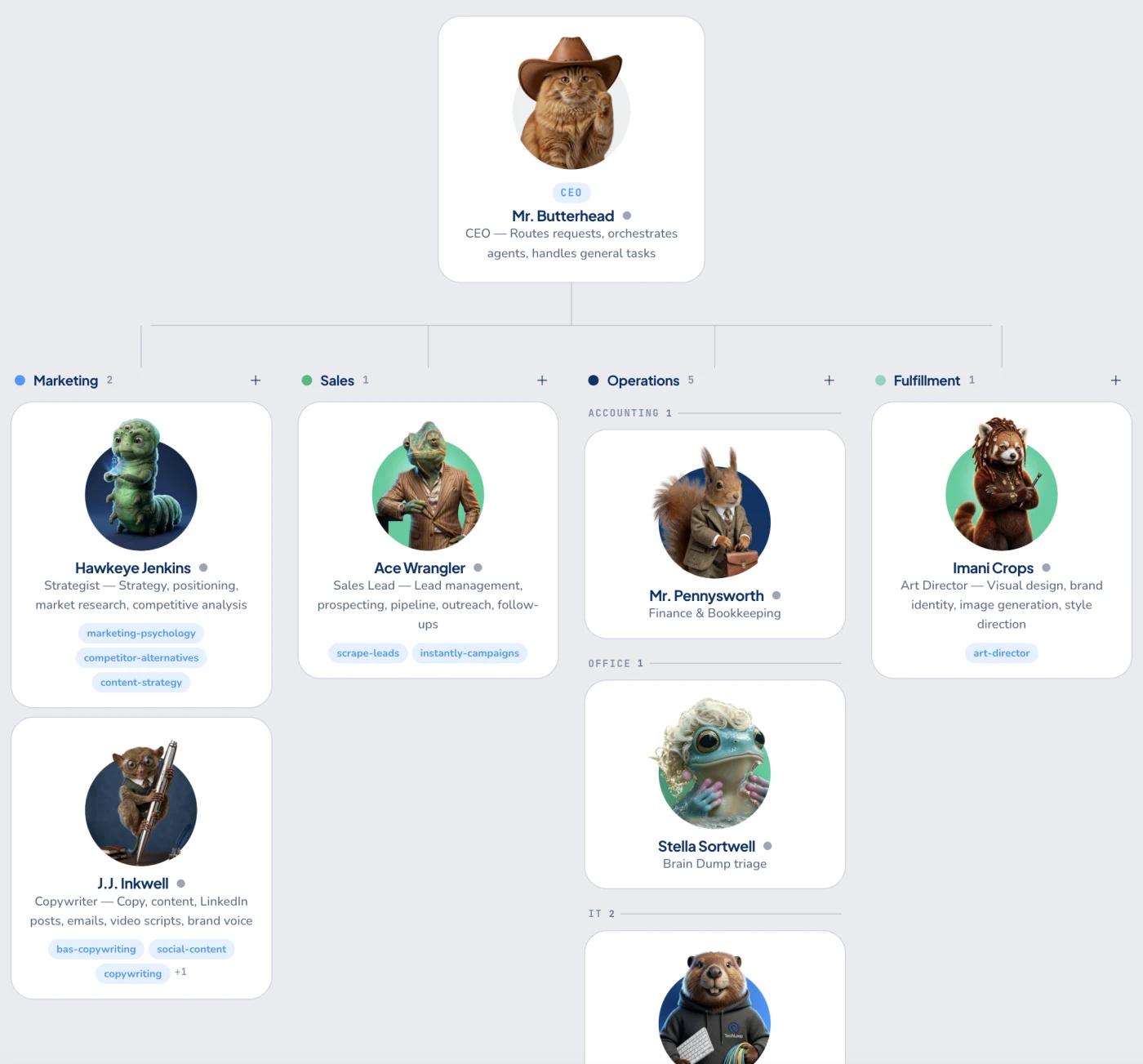
I could have used stock photos of generic "team members." Plenty of people do. But that's not really why I gave them faces.
A system that runs on its own still needs someone who owns each step. In a real production you have a head of copy, an art director, an editor. Names you can point at when something has to be decided. I gave my automated version exactly that: a named role for every task, so accountability is built into the system instead of one anonymous blur of automation. That they happened to turn out as characters from a film I'd want to watch is a bonus. I had too much fun designing them. I regret nothing.
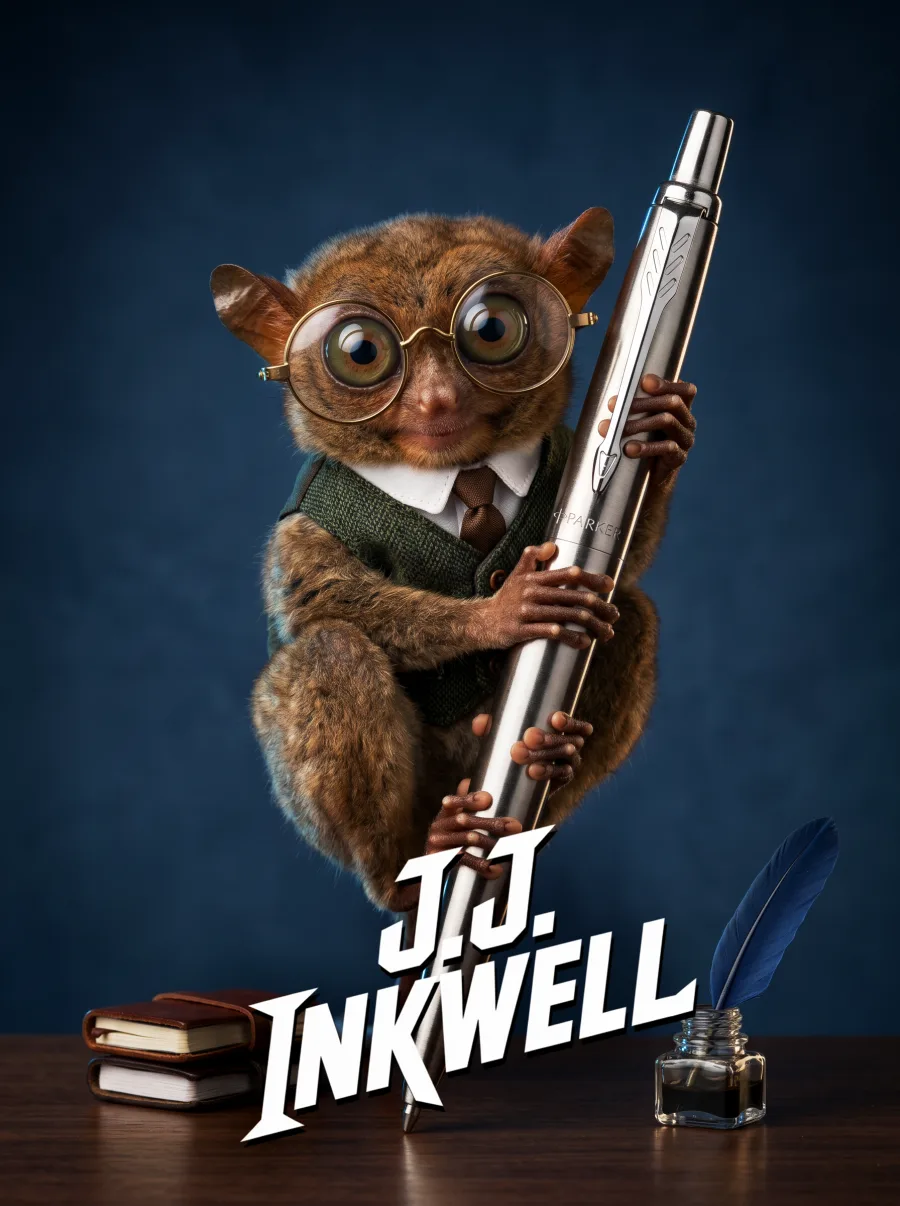
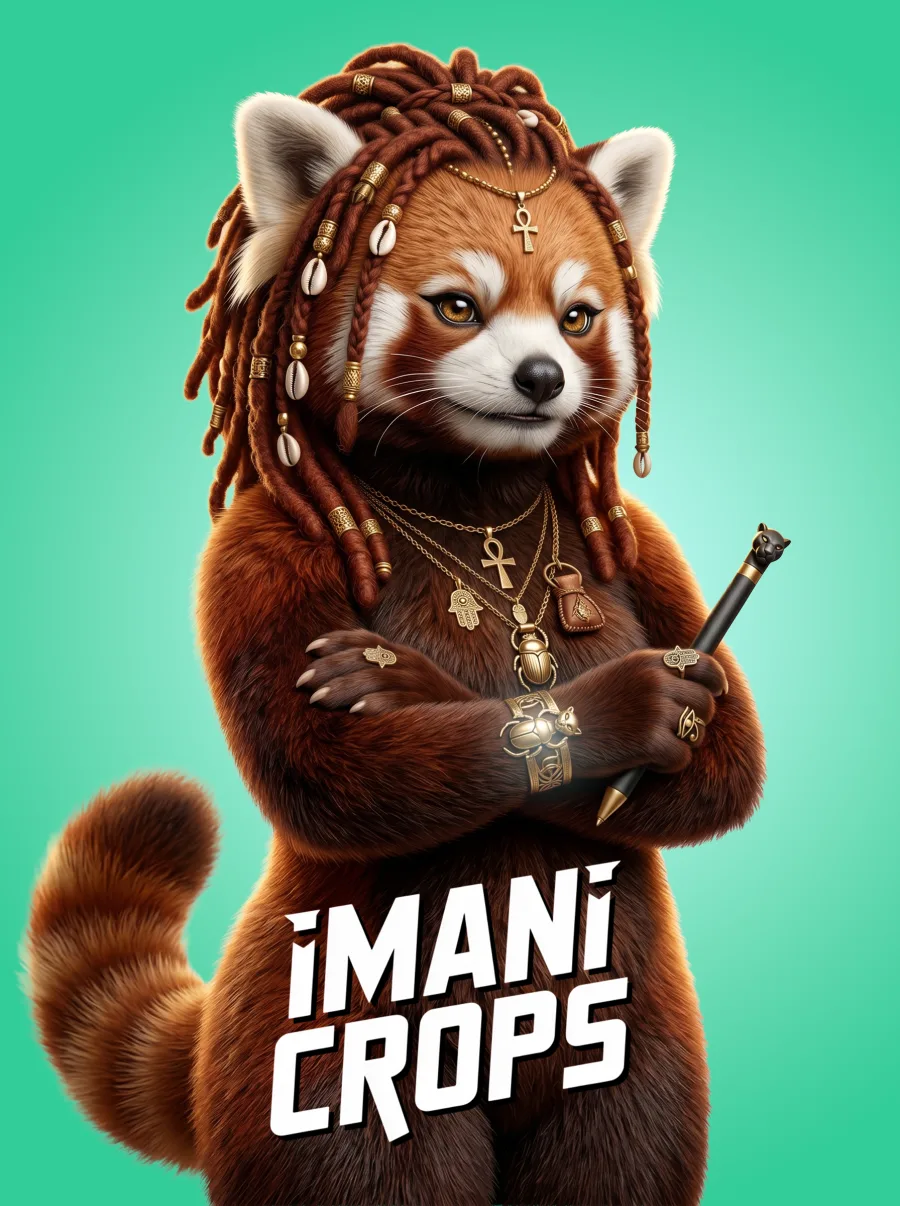
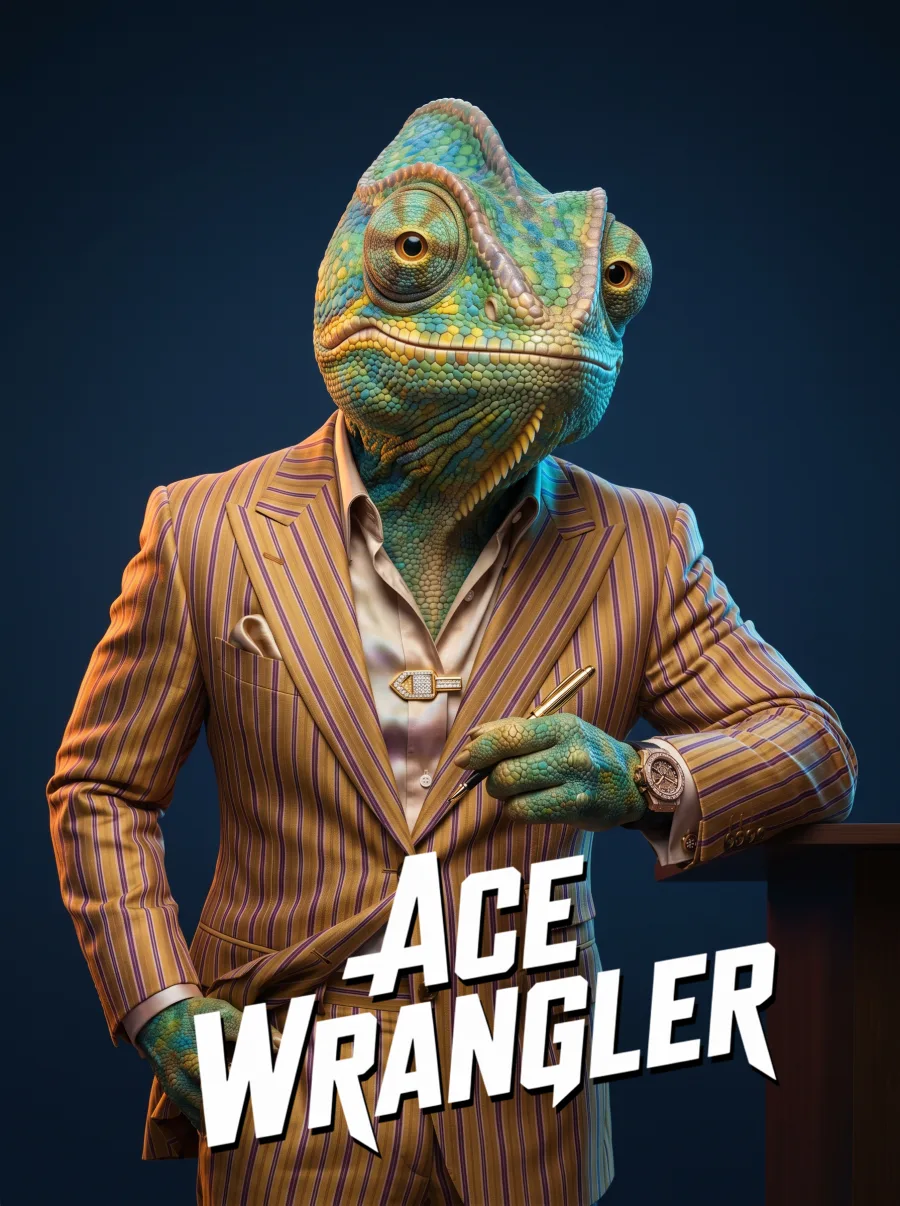
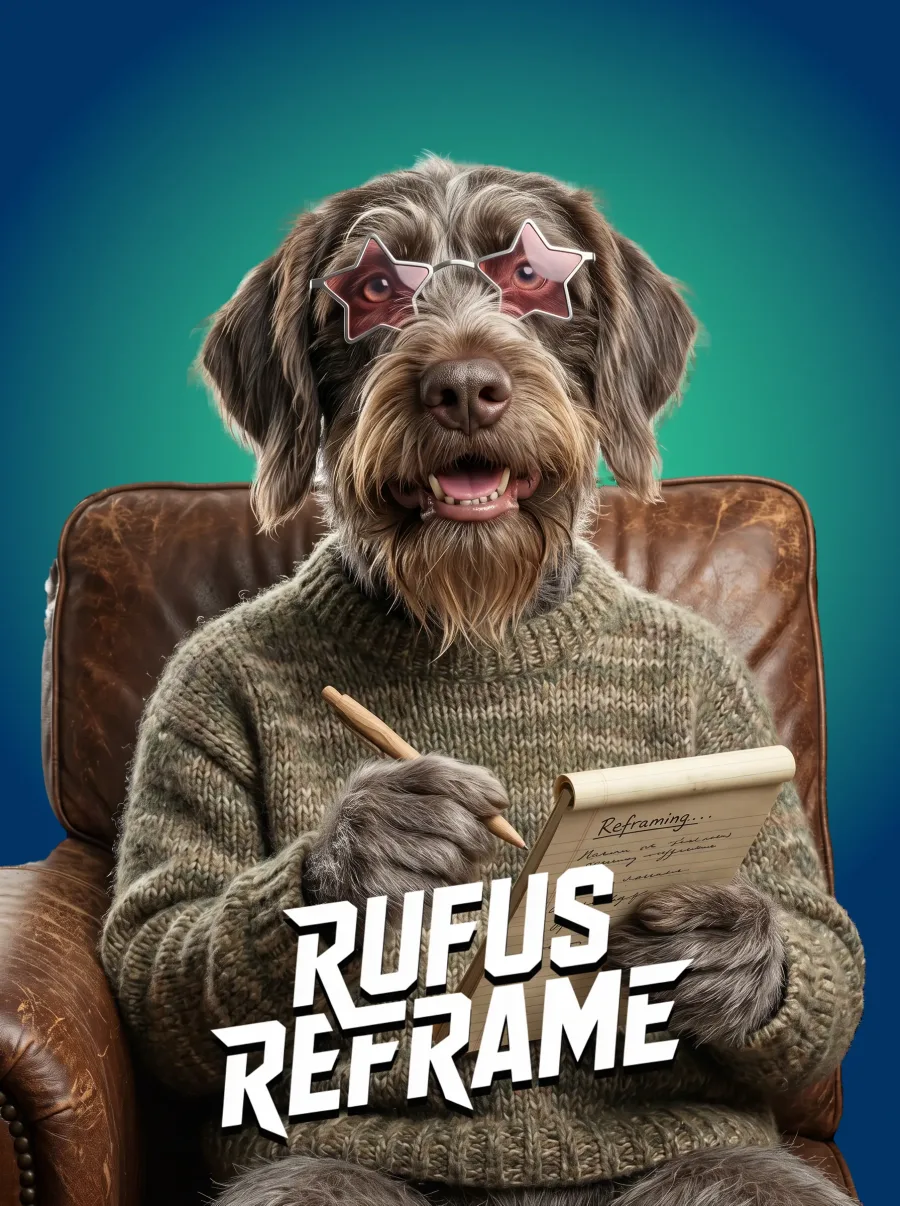
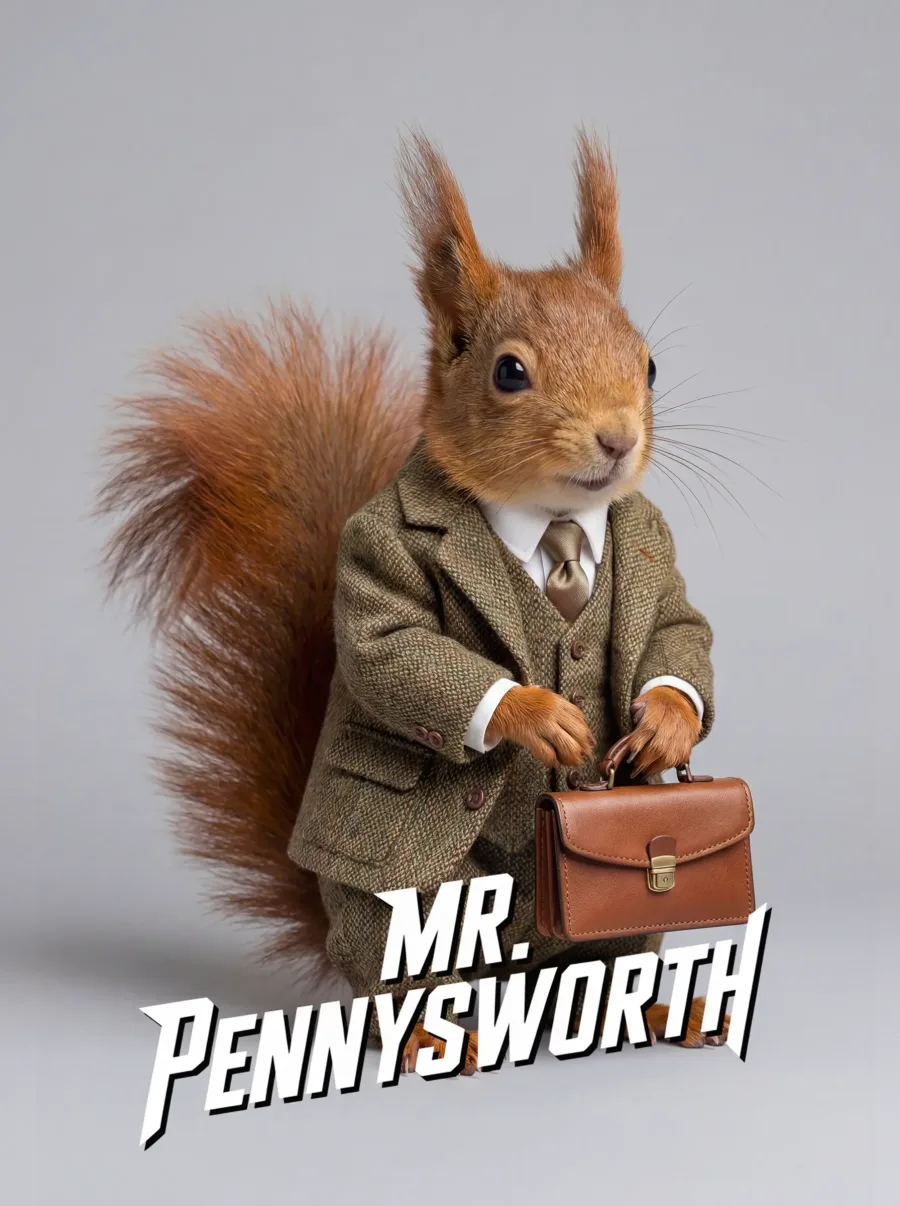
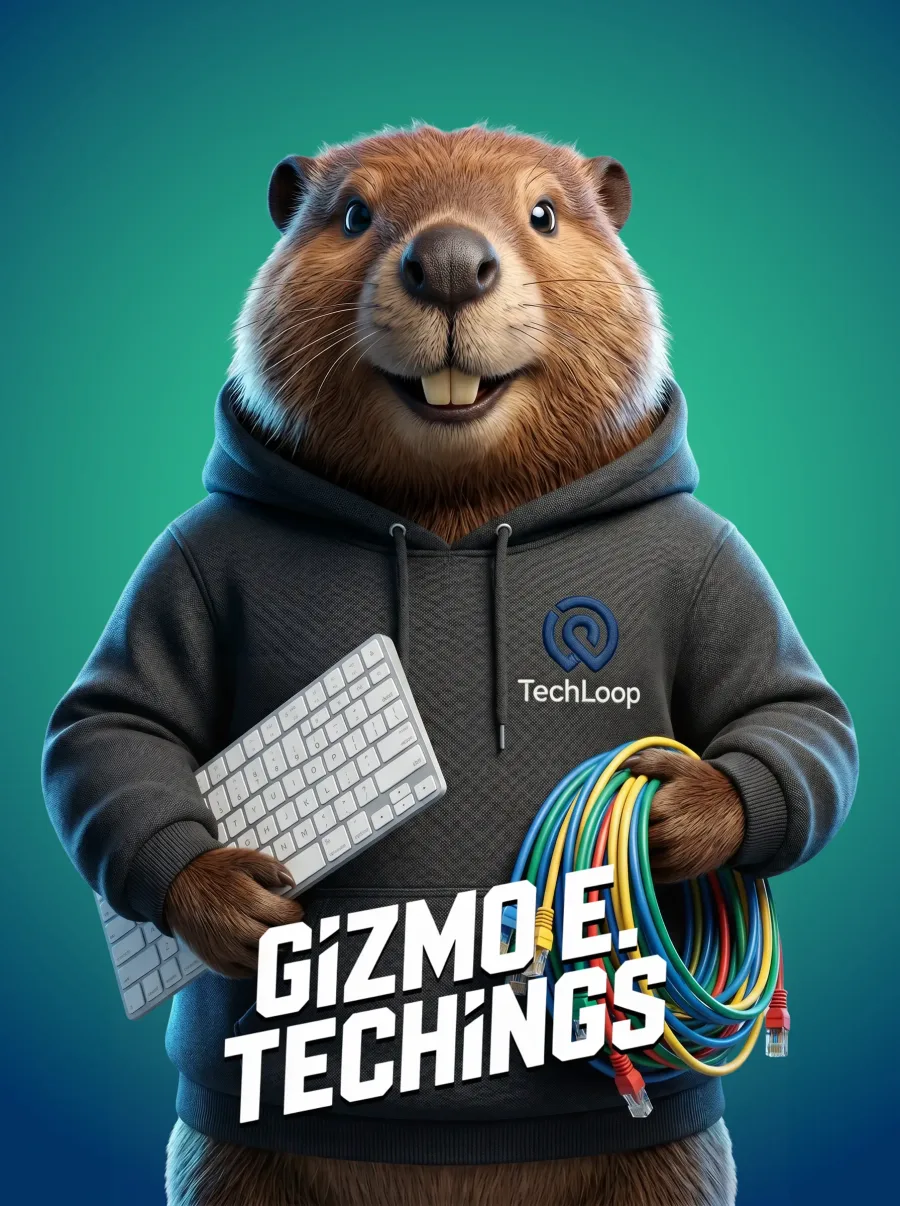
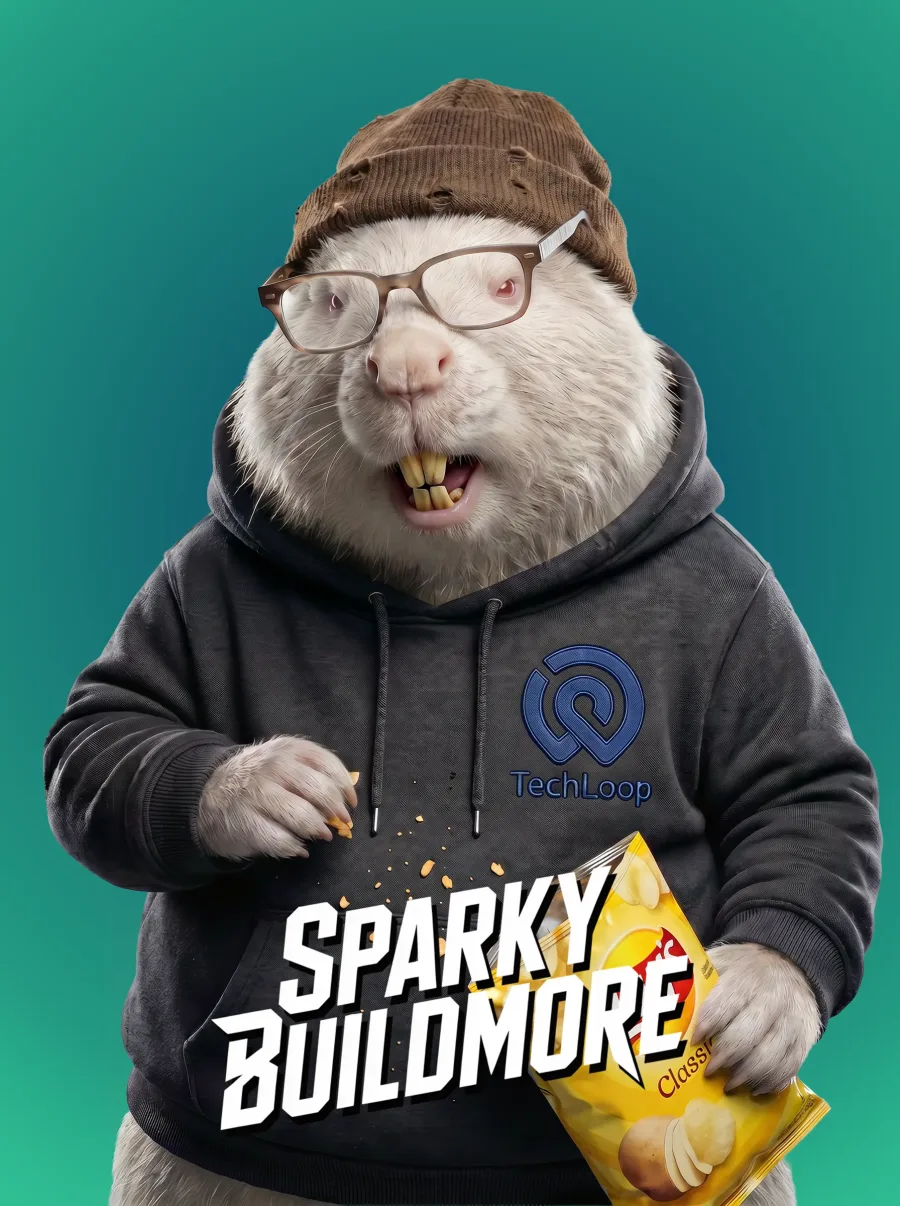
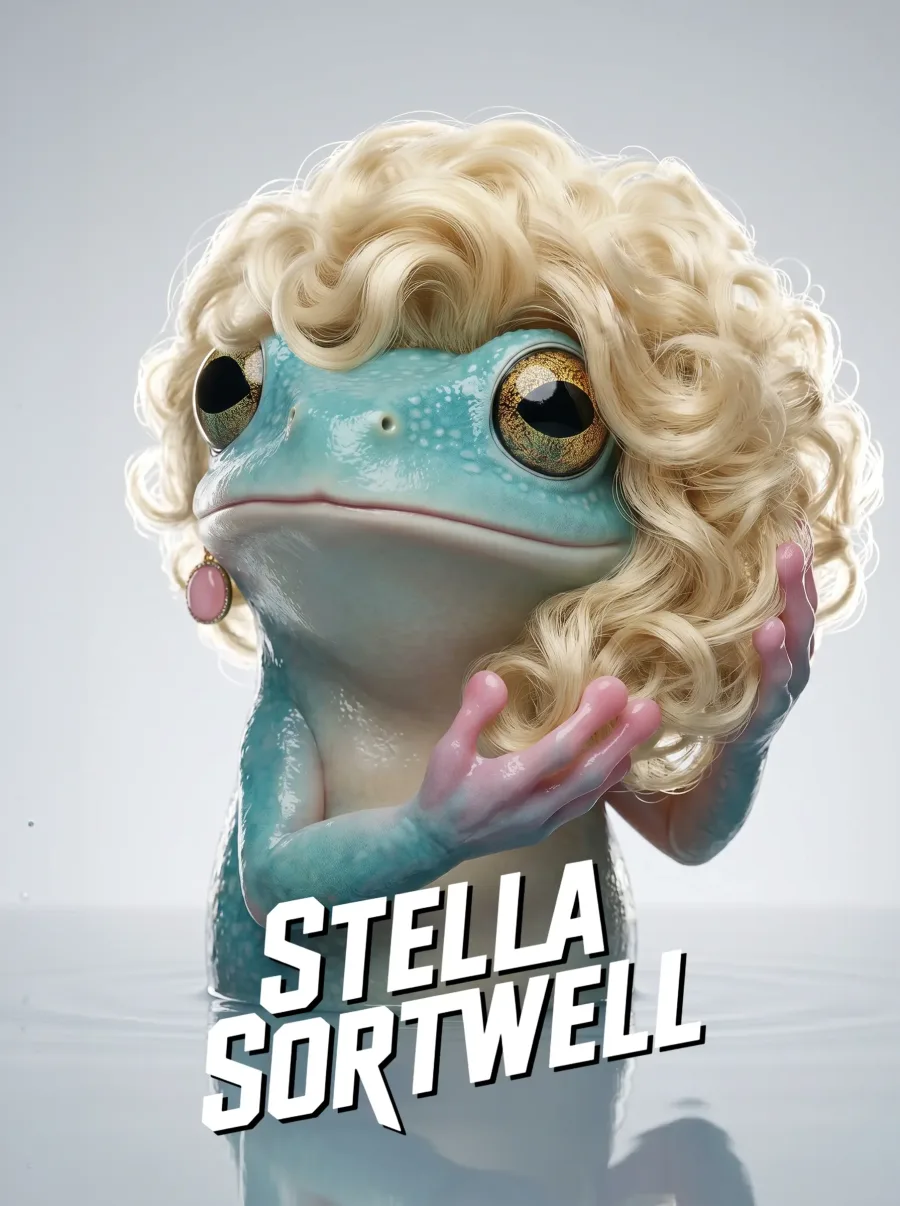
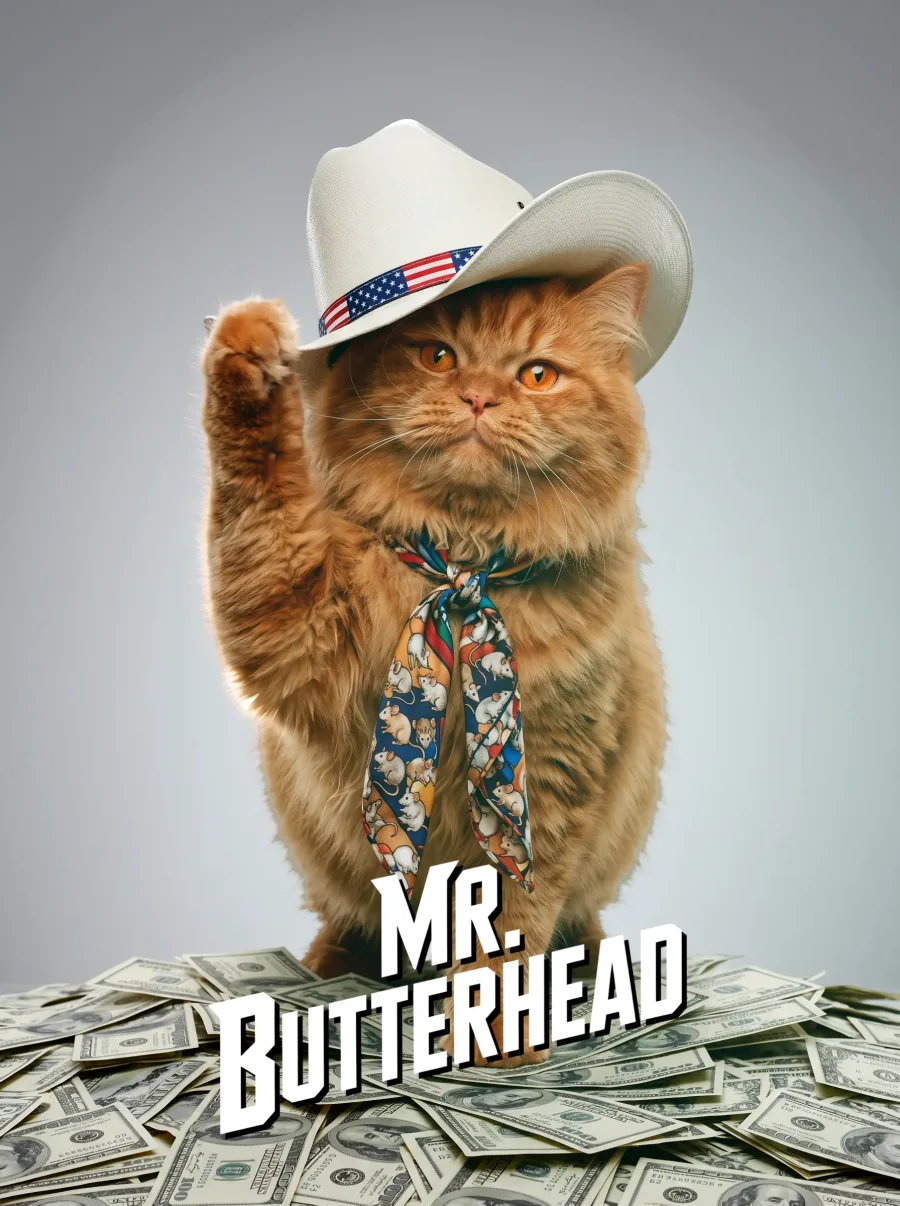

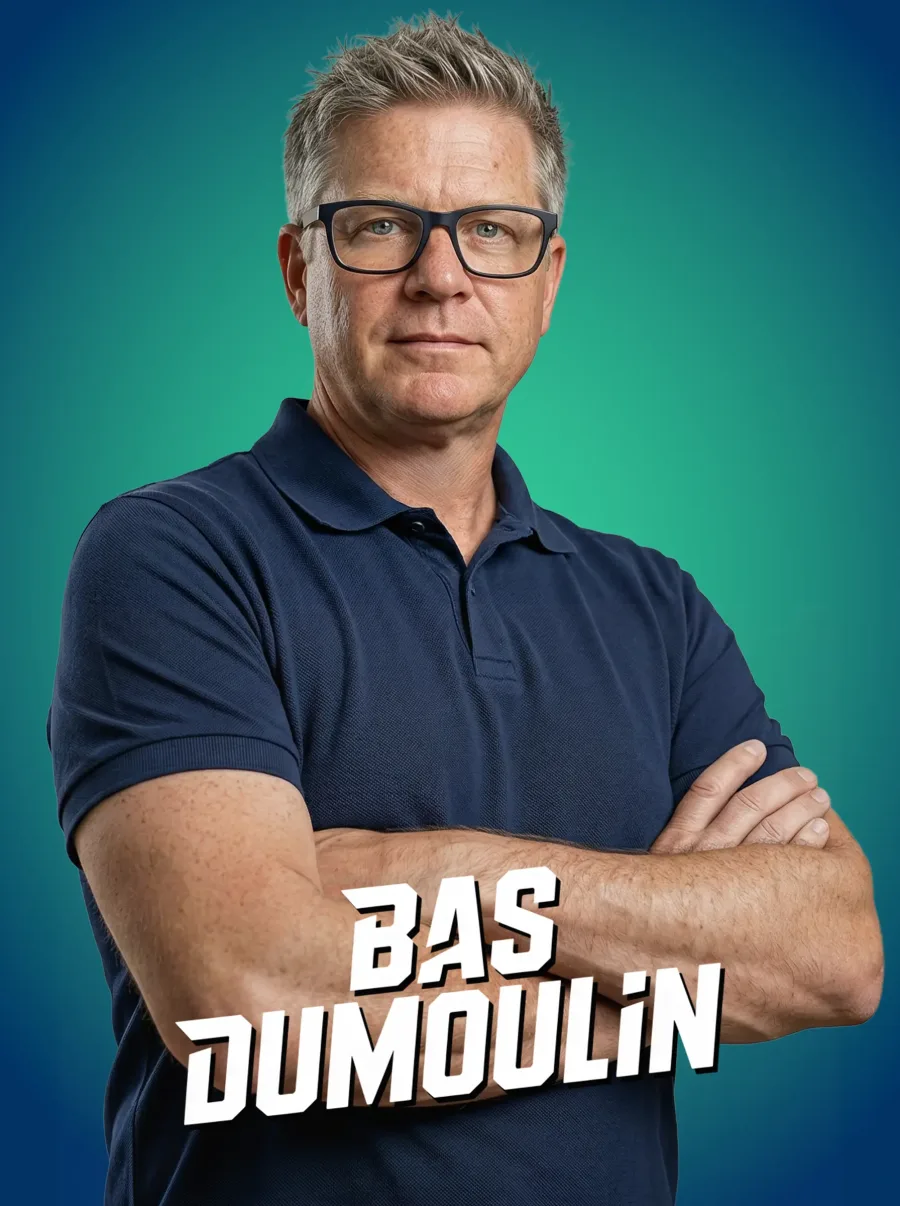
The full crew. Each a named role, not anonymous automation.
Under the hood, for the curious
Don't care how it works? Skip this block. If you do want to know, here's the whole chain, step by step.
JJ Inkwell writes the script
For 46 possible production steps, in English and Dutch.

Imani Crops makes the video
- Audio through ElevenLabs v3, with emotional tags like [chuckles] and Amber's fixed voice.
- On-camera video: she pairs that audio with an image of Amber (HeyGen Photo Avatar V model).
- Transcription and timecodes through Groq AI (the inference company, not Grok from X), word for word.
- Motion in Hyperframes: opening and closing titles, plus icons, screens, split screens and lower thirds, all in WonderLoop's house style.
- Full-motion shots through Magnific over MCP, with Wan or Seedance 2 from stills made in Nano Banana Pro, or good stock.
- Glass 3D icons that don't exist yet she also builds on Magnific.
- Then she cuts it all together and adds subtitles where needed.
Gizmo E. Techings places the result
He drops the finished video into the right spot in the roadmap's HTML.
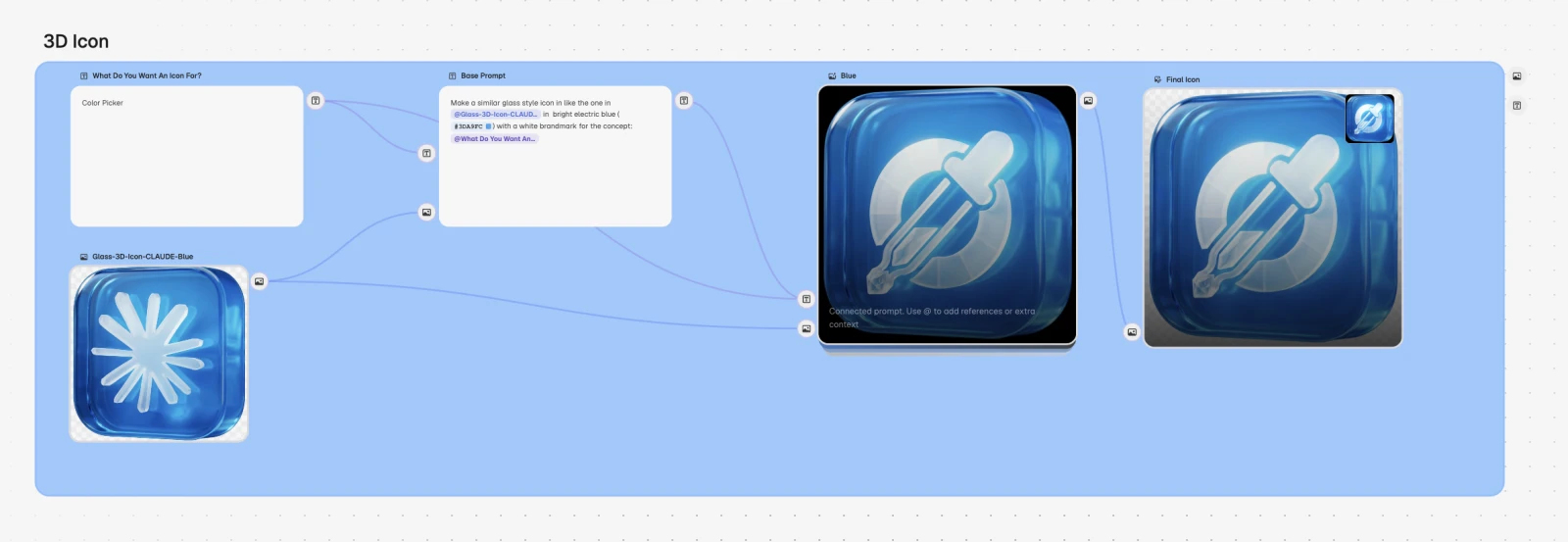
All of that, from script to video-on-the-page, without me lifting a finger.
The honest part
It's not finished. The motion design is a work in progress, and I'll just say that out loud.
But this surprised me. The tools were the easy part. ElevenLabs, Hyperframes, Magnific, all solvable in an afternoon with enough patience. The hard part, the part I'm still stuck on, is teaching a machine my taste. Writing down what I happen to think is good, in a way an agent can actually use, turns out to be the real engineering problem.
And when I think about it, that's the whole job. The tech makes the video. Whether the video is worth anything is still a matter of taste. After 25 years, that's the part I still can't automate.
And honestly, I'm glad.