 WonderLoop
A one-man film crew
Trapezium, part 3. How I'm making the film myself now, with an app I built for it.
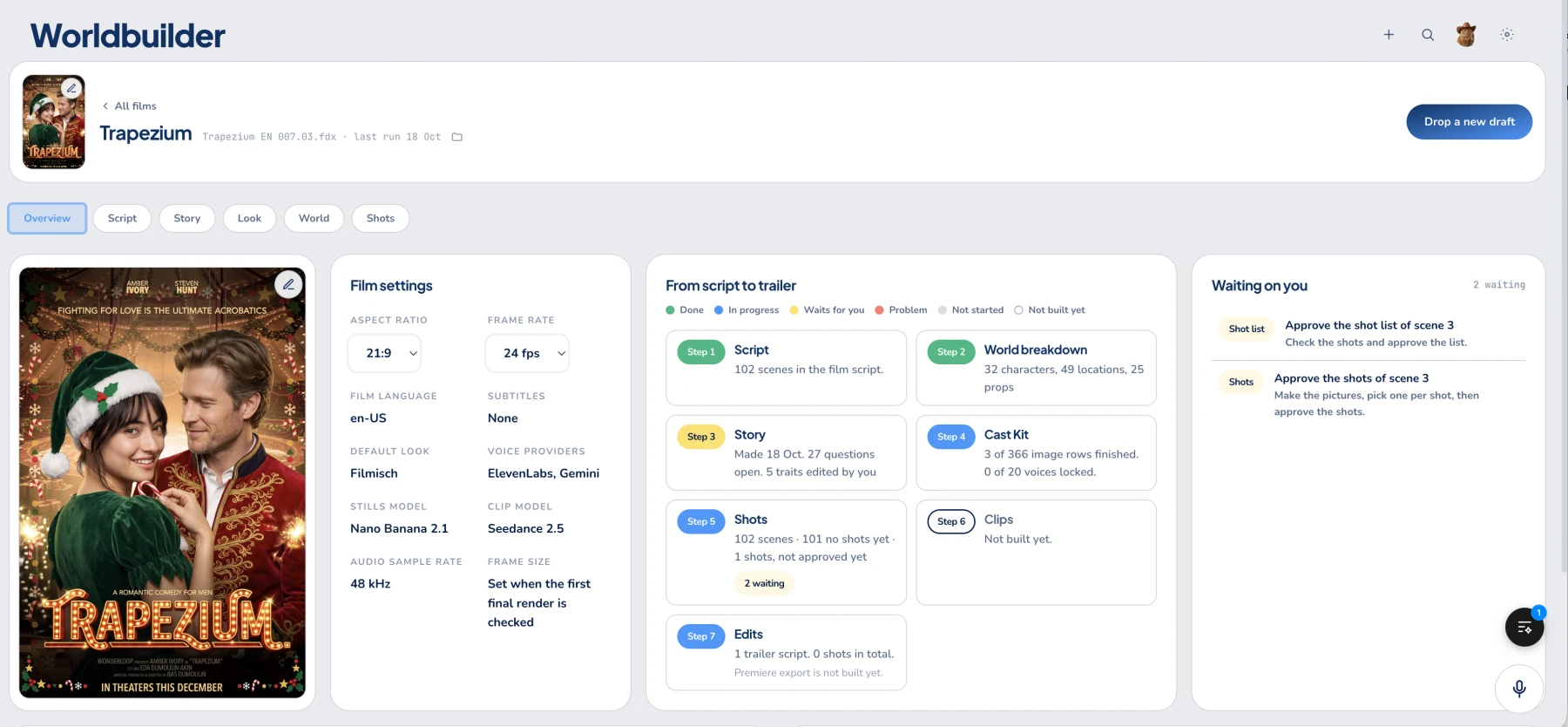
On a film set you make a hundred decisions a day. Normally you don't have to make them alone.
You talk it through with a camera operator, a sound recordist, costume, make-up, a location scout, the props master, the gaffer, the colorist. And the actors, of course. On Trapezium I'm sitting in all of those chairs at once. A one-man film crew.
Why now
When AI video arrived in 2023 I jumped right in. Realistic images came quickly. Getting a character to look the same in every shot did not. That took the patience of a monk.
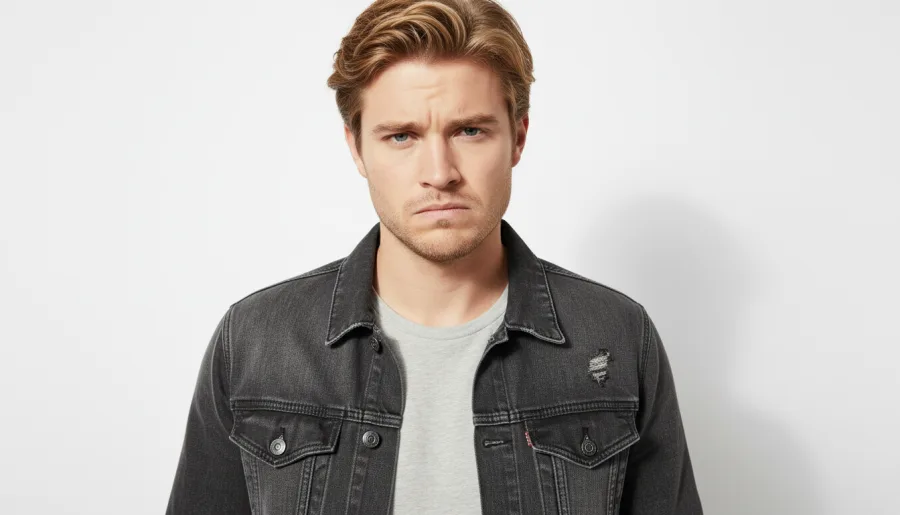
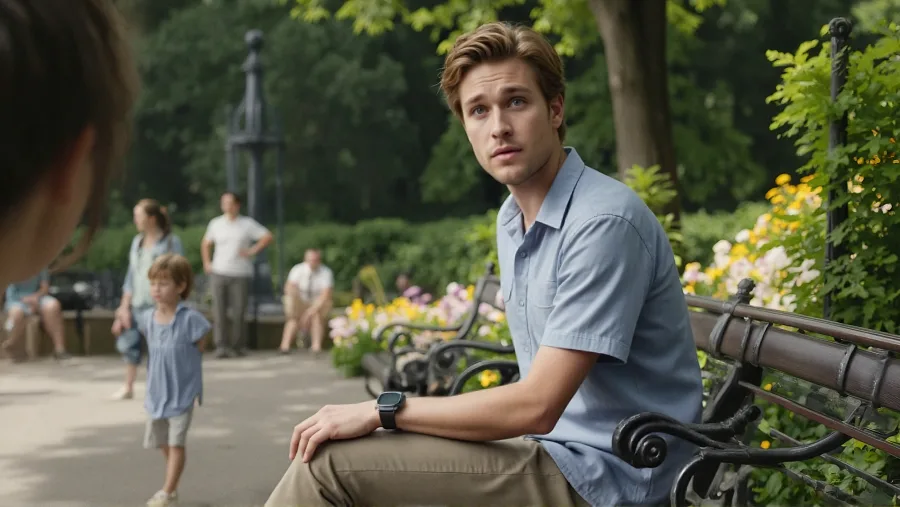
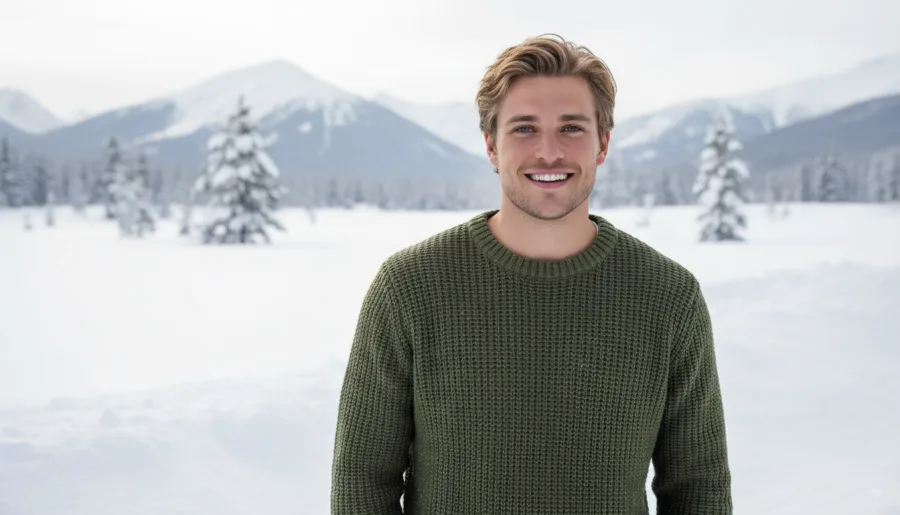
It's a lot better now. But a whole feature film is still a mountain of work. So I built an app for it. The Worldbuilder.
In goes the script
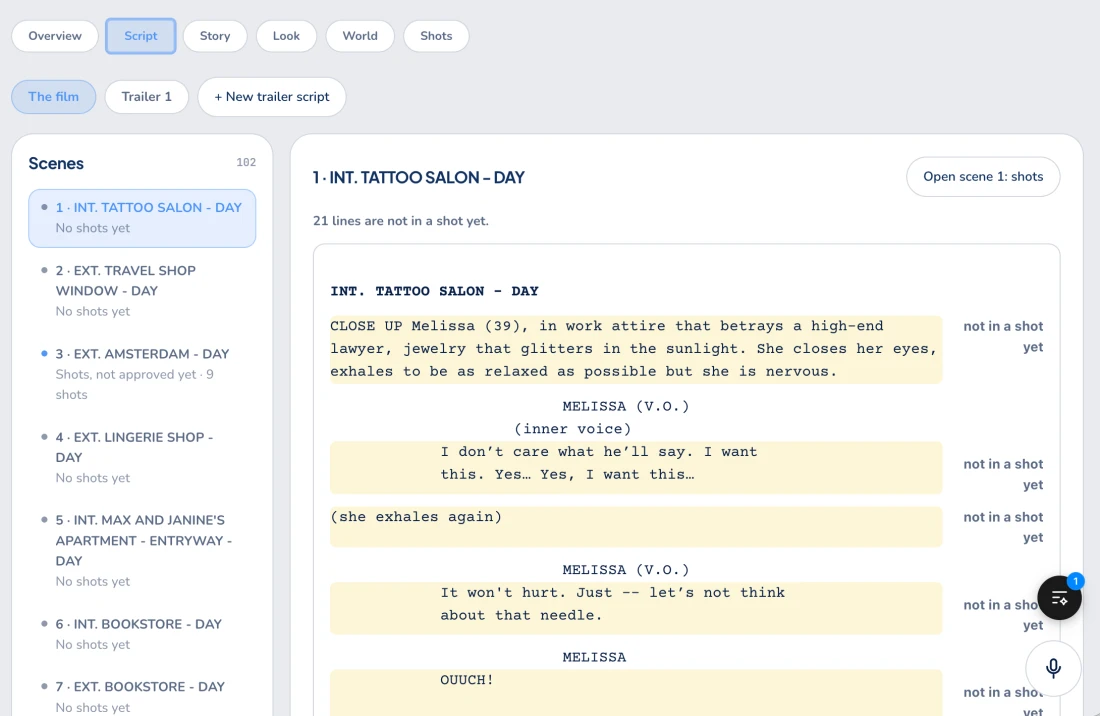
I put the script in and the app makes its own breakdown. Which scenes there are, which locations, which spots within a location. Which actors are needed and what they wear in each scene. Which props.
It puts everything on a timeline in the order it happens, and next to that in the order the film tells it. With Trapezium, with all those versions of the same evening, those are two very different films.
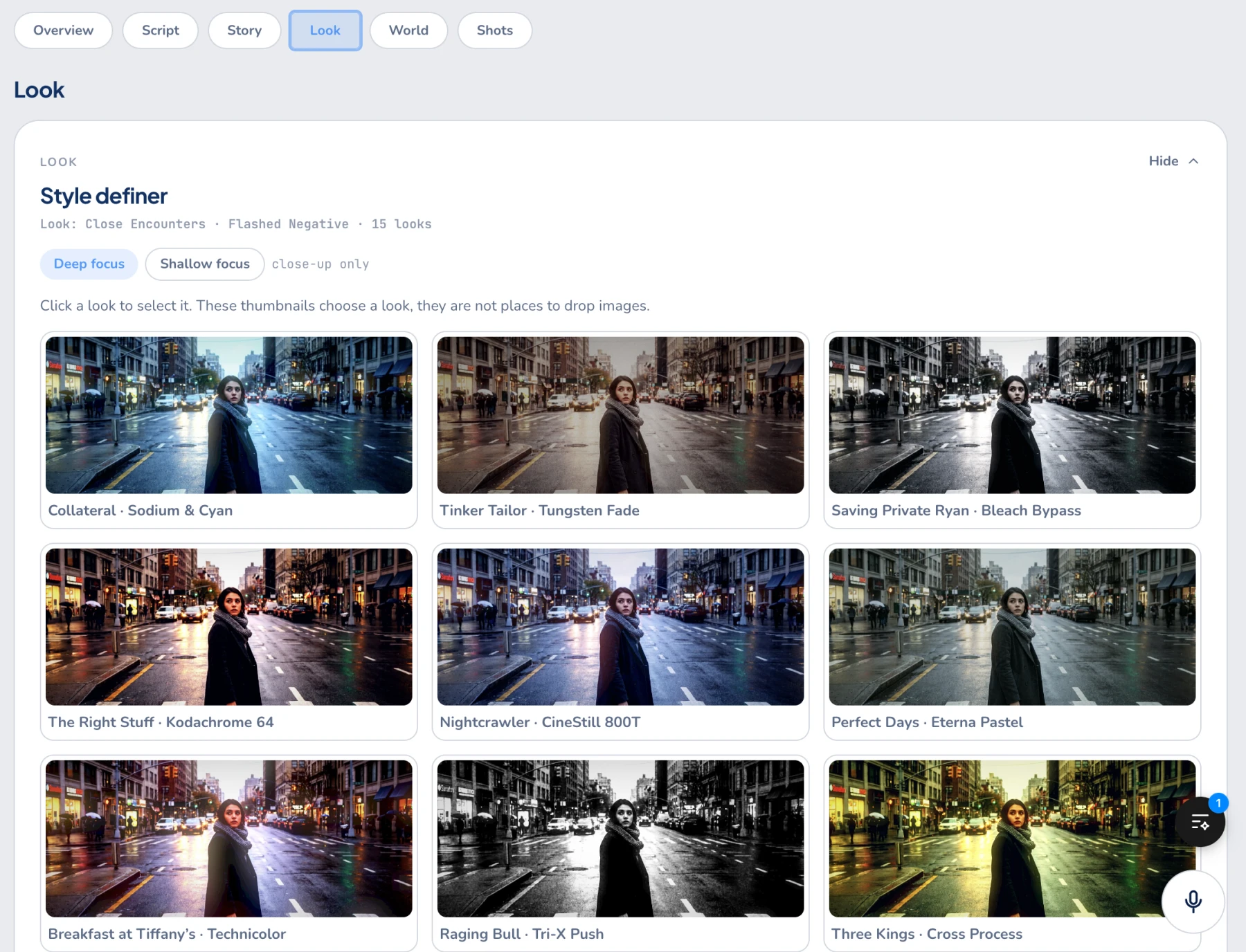
Then I choose the format: aspect ratio, frames per second, which image and video models I use, and the look. For that I have presets with examples from the color grading of existing films.
Casting and costume
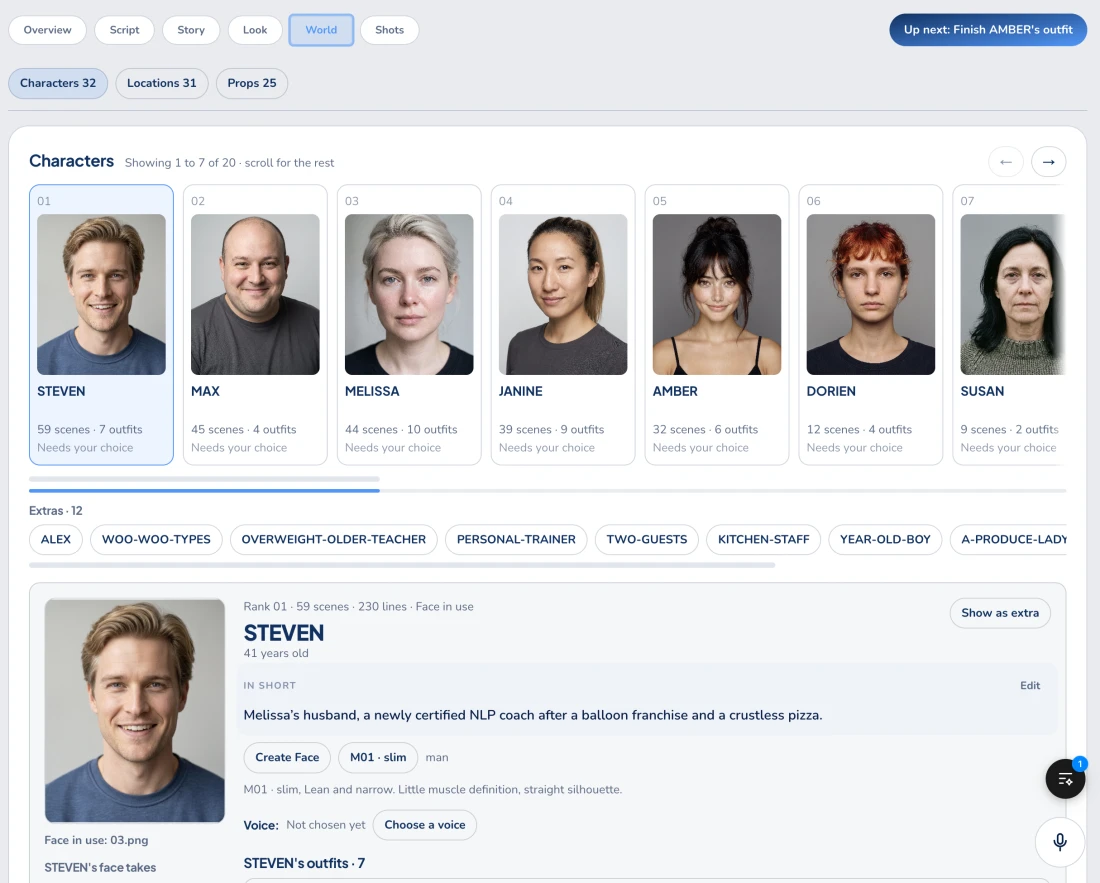
The app makes headshots against a neutral background, based on what the script says about a character. I tweak them until they're right. Every character also gets a voice, from ElevenLabs or Google Gemini.
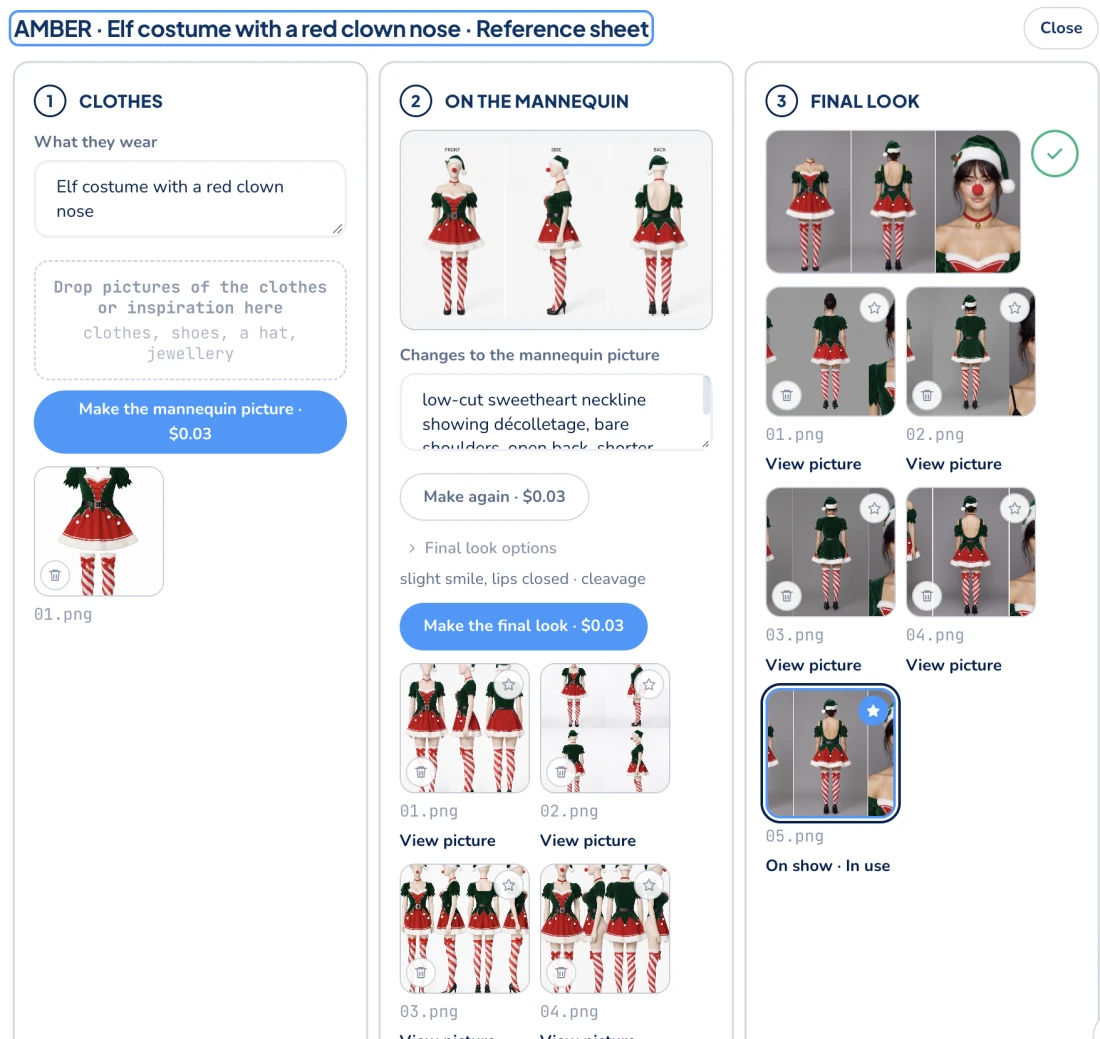
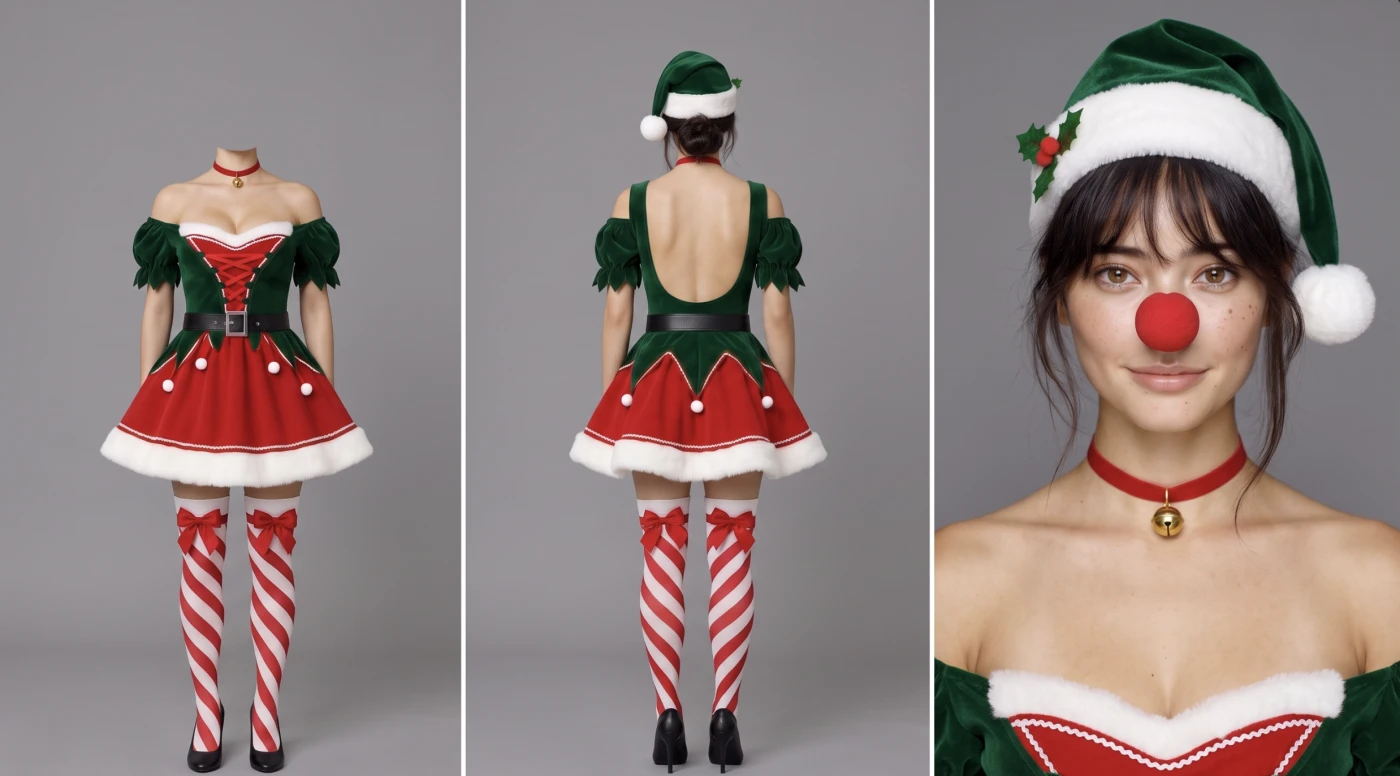
For every scene and every character it's written down what they wear. I give the body type, the app fits the clothes and turns them into reference sheets. That's how the video model keeps a character the same in every shot. Amber in her elf costume, for example.
Locations
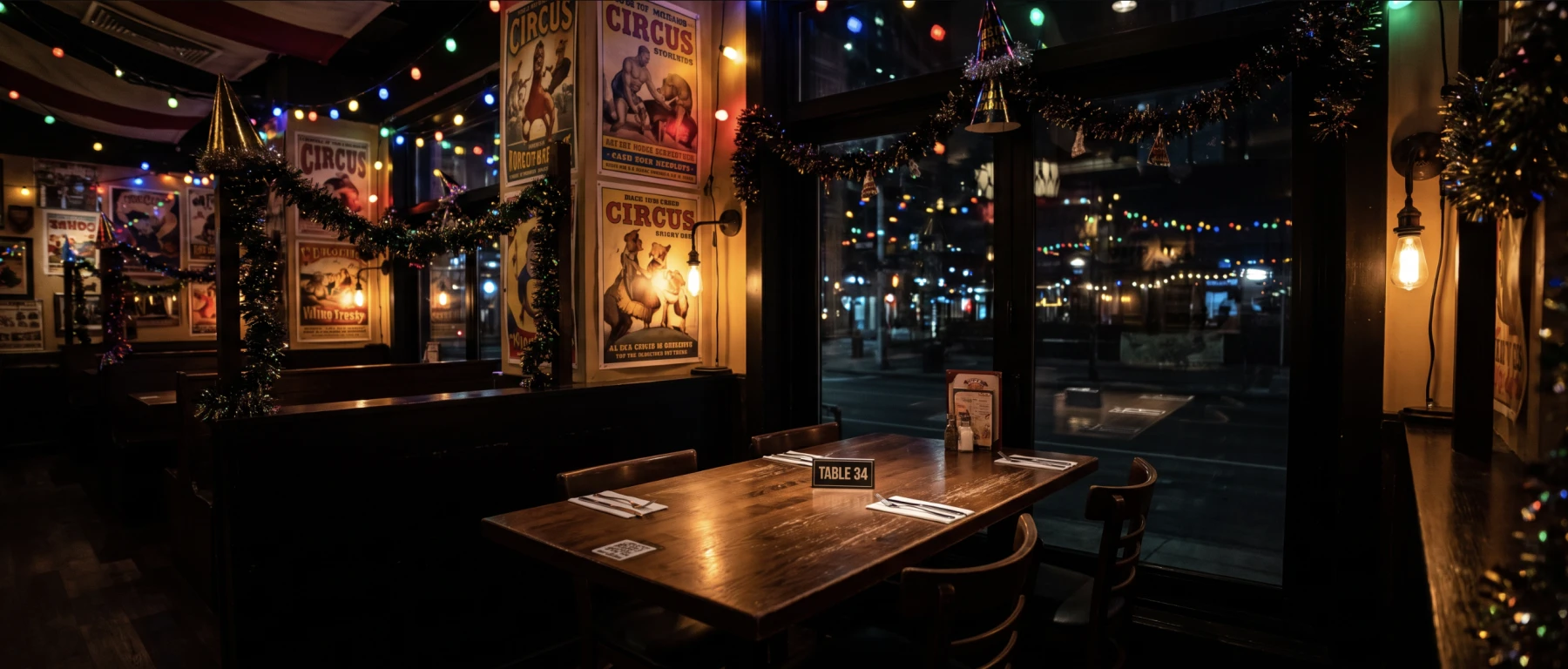
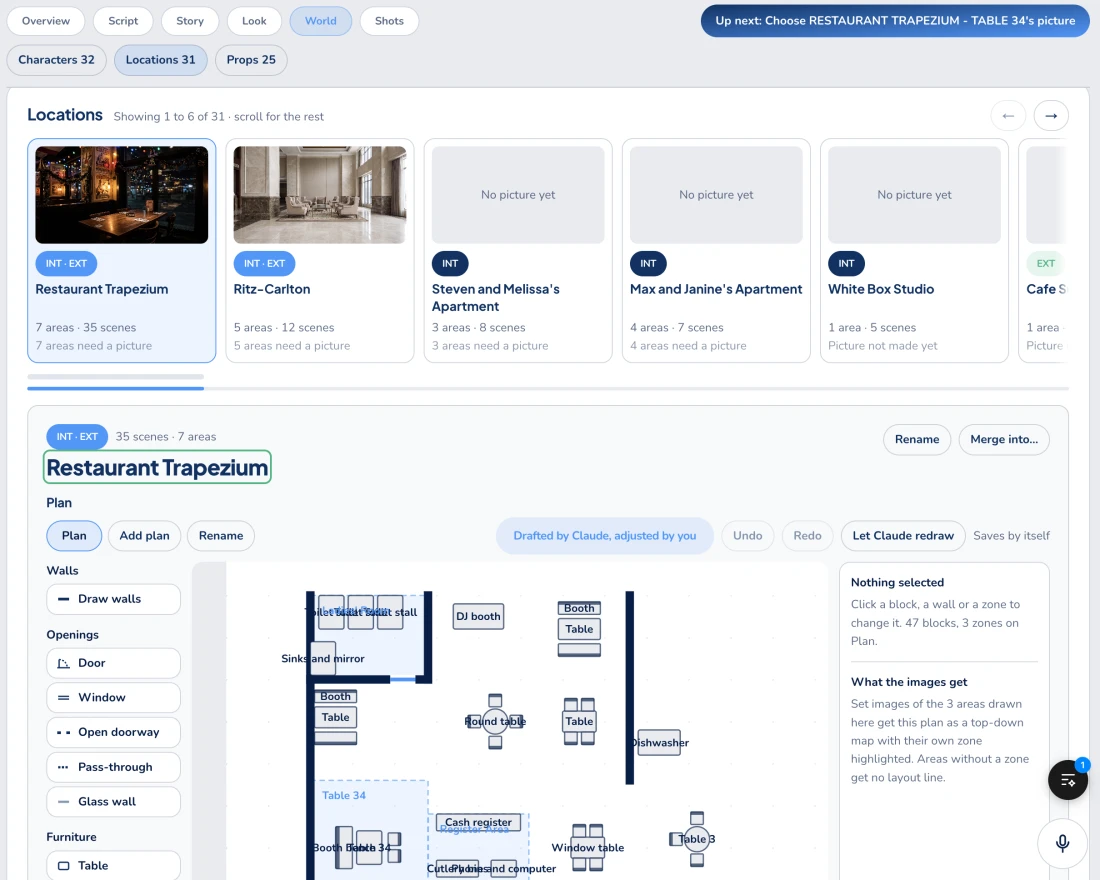
I have those made from what the script describes. Or I draw a floor plan first and work out the blocking: where an actor walks, where something happens in relation to the rest of the room and the other characters. That way a location stays the same place in every shot. Exactly the way I imagined it.
Shots
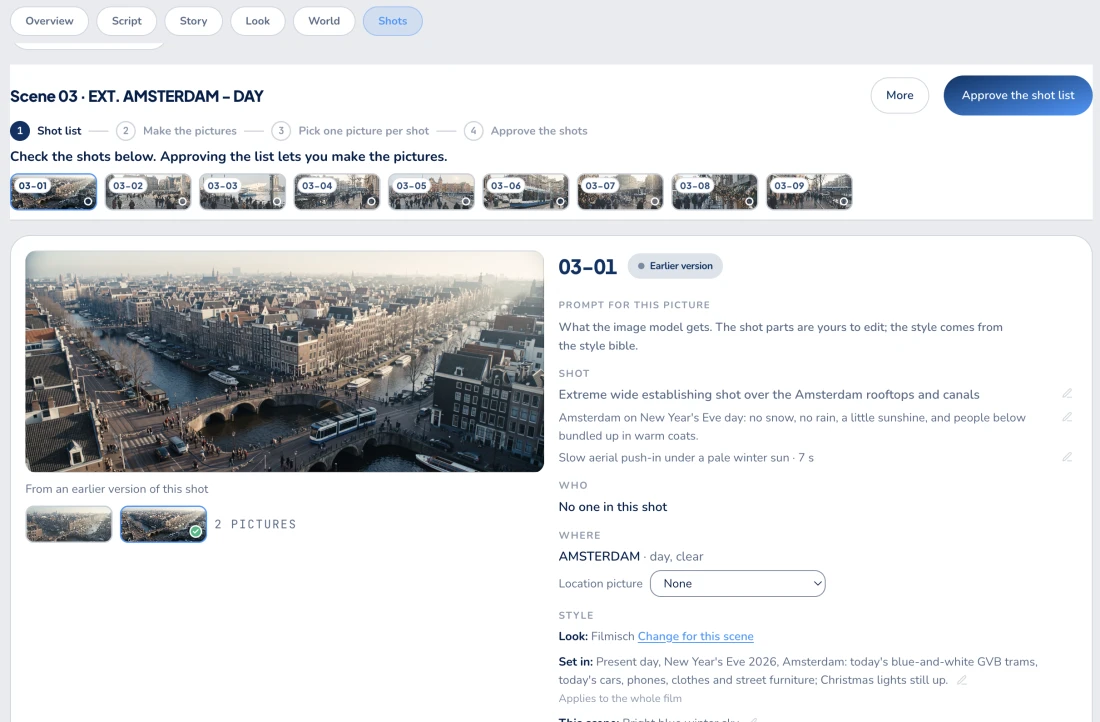
For every scene I decide the shots. First as stills, made with Nano Banana 2.1 or GPT Image 2.5. The video model then turns those starting frames into moving shots.
That's where I am now. I'm still polishing the app until it does what I want. Then the real work begins: bringing the film to life.
What it costs
With actors, crew and sets, Trapezium would have cost one and a half million euros. Now it costs a Claude subscription, the image and video generations, and my time.
And yes, I'm also building this app so I can deliver fast for my clients.
Thousands of other directors
I'm incredibly excited about what's possible now. For myself, because after all these years Trapezium is finally coming to life. But also for the thousands of other directors with an idea that could never be made, unless you had a lot of money.
Money is no longer the door that stays shut.
A one-man film crew, then. With one advantage: my actors don't have to remember their lines either.